
10 Family Bonding Activities That Build Connection and Trust
Fancy Family Dinner
Plan a special dinner to celebrate your family. Use fancy dishes (pick some up at the thrift store!) and sparkling juice. Set the scene with classical music, flowers, candles, and a table cloth. Everyone can get dressed up if they’d like! Take time to talk about each person at the table: why we love them, what we’ve noticed they’re working hard at, and what we’re looking forward to in their future.
Celebrate Milestones
These can be big or small: first adult tooth, learned to tie their own sneakers, scored a goal in their soccer game (or gracefully lost a soccer game!), mastered long division, has done a great job remembering to feed the dog every day without being asked. Recognition feels good, and this celebration can be done in a number of ways, like a thoughtful toast at dinner, a special dessert, a small gift, a party. Get creative with it and show your appreciation for their hard work.
Play a Cooperative Board Game
Unlike typical board games where players compete against each other to win, cooperative games require everyone to work together in order to succeed. You can only win if everyone wins! Players are incentivized to think creatively about how to lift each other up and prevent teammates from falling behind. This is great for both kids who don’t like competition and kids who like it a bit too much. Here are a few of my favorites:
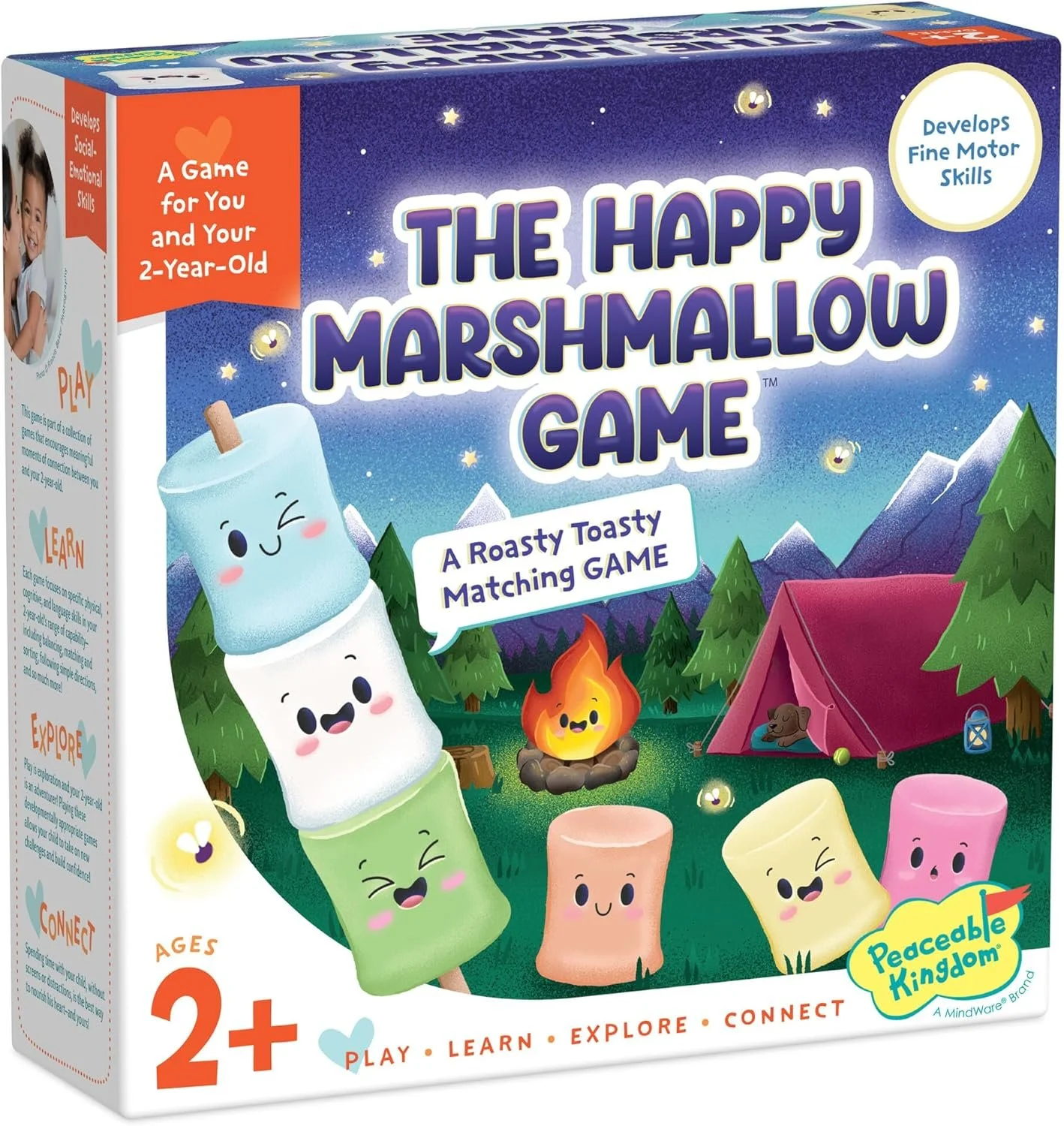
The Happy Marshmallow Game is an engaging cooperative game for toddlers, enhancing fine motor skills, color recognition, and turn taking. Each player holds a marshmallow roasting stick and draws cards, adding the matching marshmallow to their stick.
2 players, ages 2-4, 10 minutes
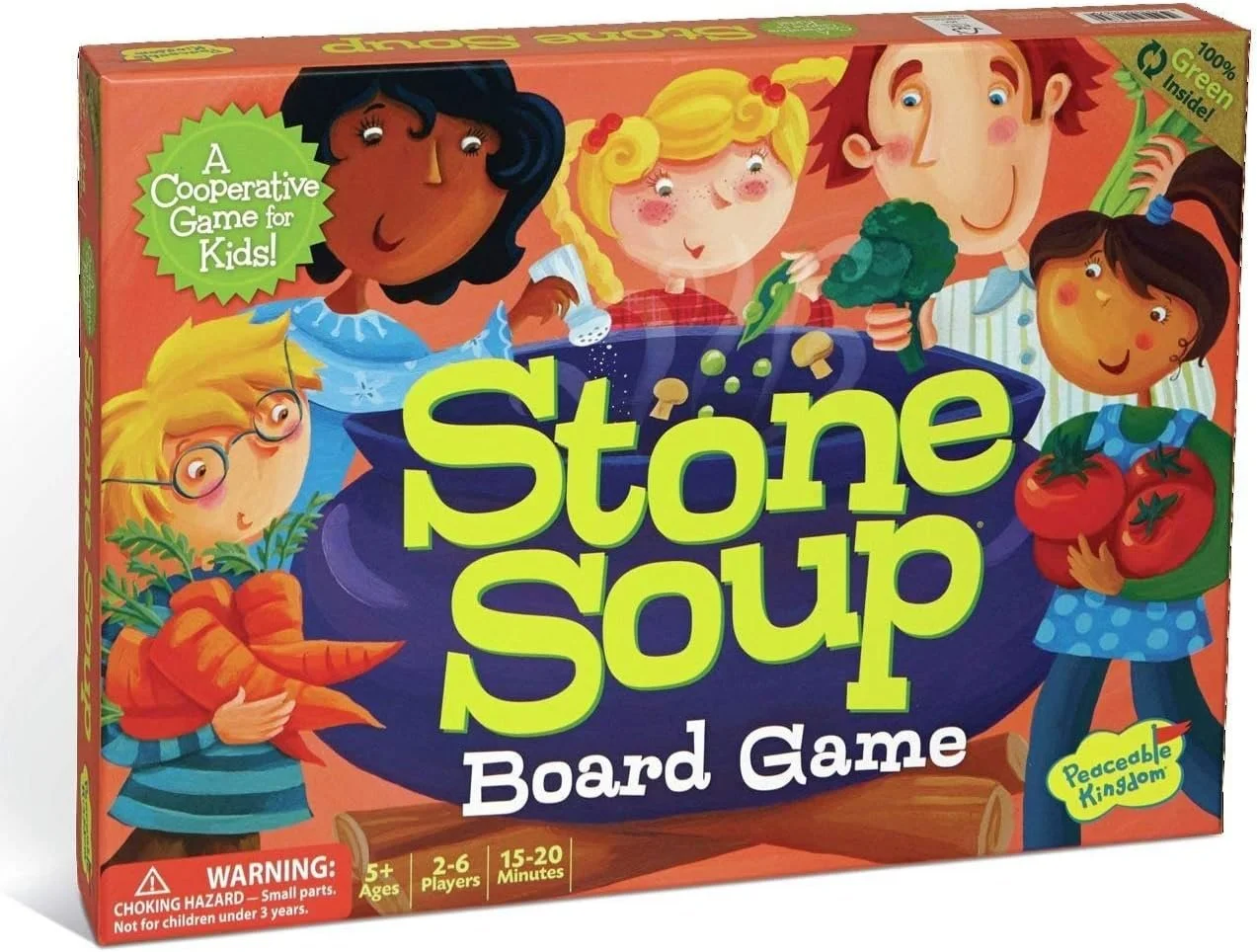
Stone Soup is memory matching game where players work together to cook a soup by making matches of the ingredients. This game can develop memory, problem solving, and social skills. There is no reading in this game.
2-6 players, ages 5+, 15-20 minutes
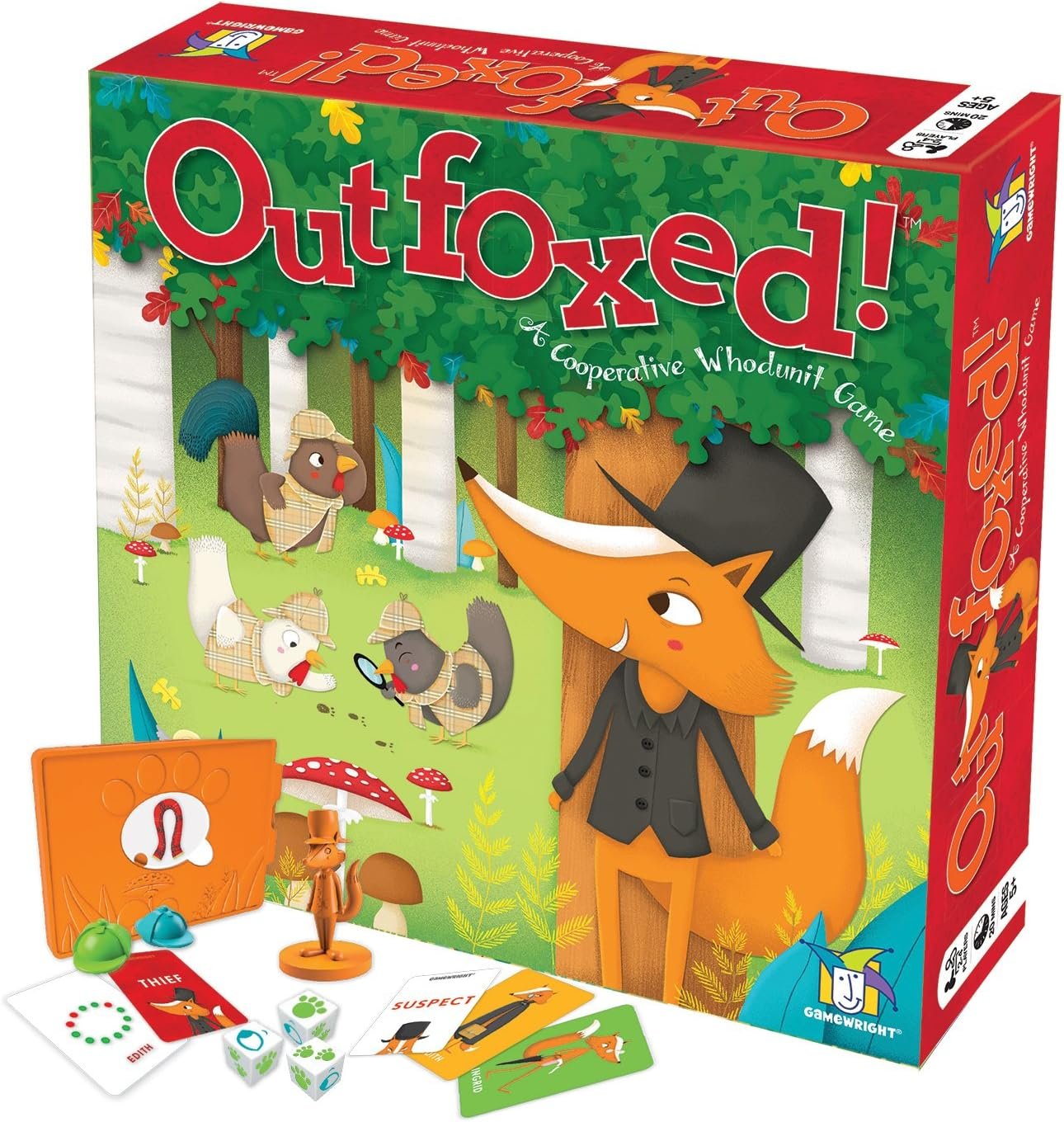
Outfoxed! is a silly detective game where players ages 5 and up work together to figure out which fox stole the pie. This game teaches deductive skills and critical thinking.
2-4 players, ages 5+, 20 minutes
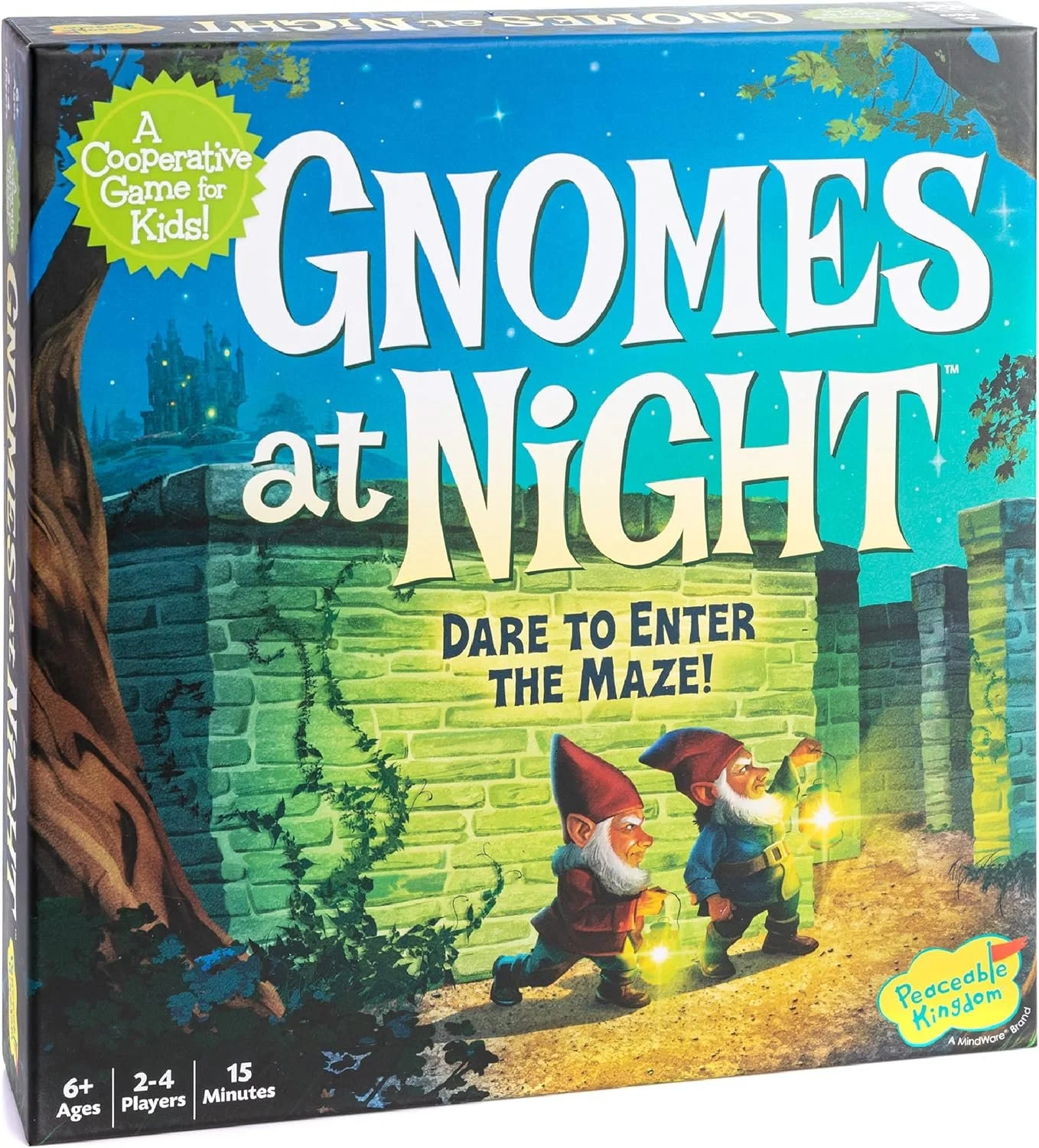
Gnomes at Night is a cooperative search-and-find fame where players work as a team to make their way through a maze, trying to find the stolen treasure and return it to the queen. This game helps kids understand directional language (left, right, up, down), encourages communicating clear instructions and careful listening, and shared decision-making.
Ages 6+, 2-4 players, 15 minutes
Look through pictures and photo albums
Remembering fun times is a great way to connect! If you don’t have any physical photo albums, go through your pictures together and decide which ones to print. Make your album together, and let your kids add fun stickers and decorations to their favorite pages.
Silly Meal
Breakfast for dinner! Or even dinner for breakfast! Prepare the meal together, and wear pajamas or find some silly outfits.
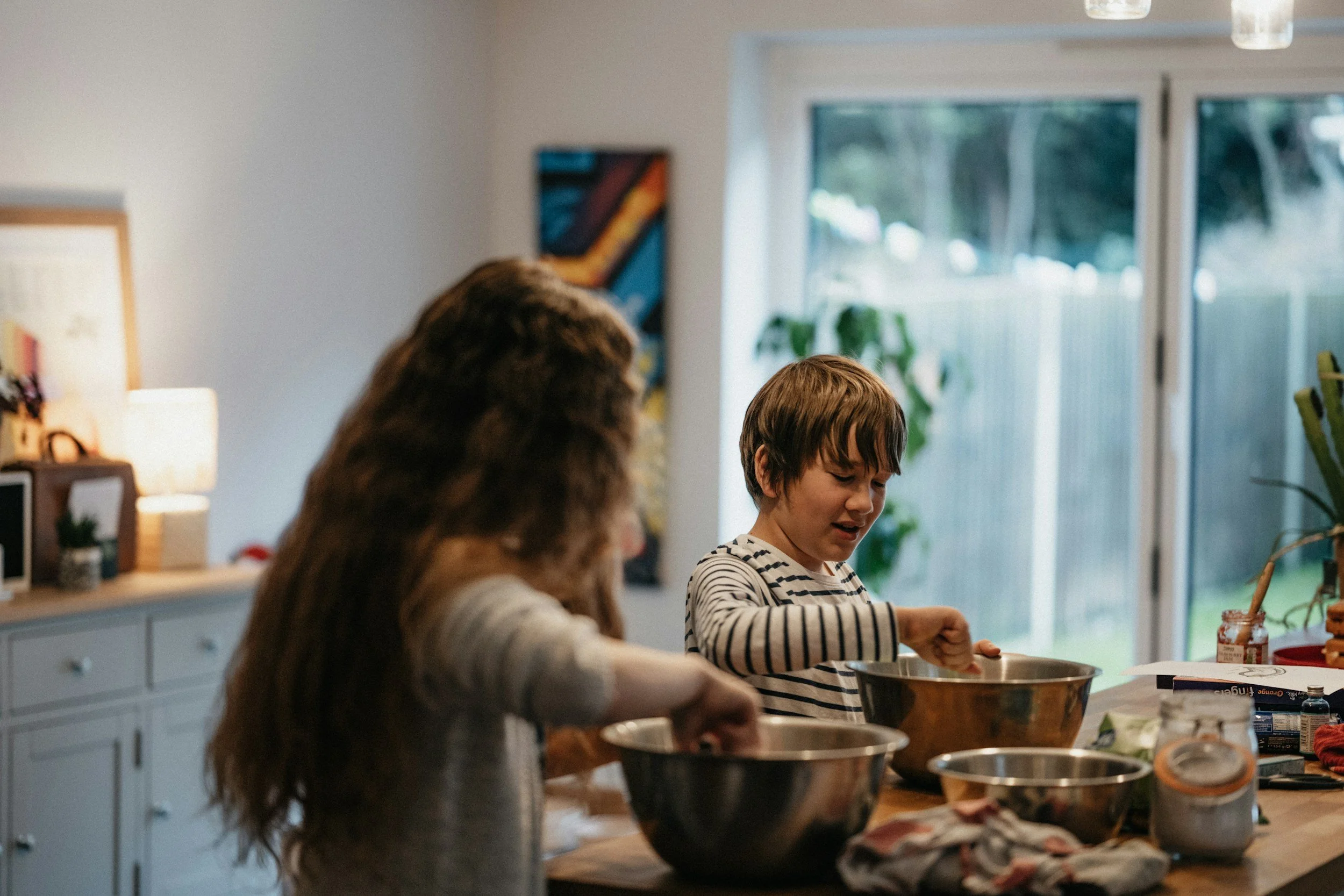
Cooking together with your kids can be lots of fun, and will help them to be interested in what they’re eating! Following a recipe can teach reading comprehension and math skills.
Little Teacher
Let your kids teach you about something they love. Ask what they want to teach, and let them take the lead. This could mean sitting for a lesson on their favorite video game… bend the screen time rules a bit, and let them enjoy being the teacher and connecting with you over their favorite game. Be a good student and give them your full attention for an hour or two. It can be fun to watch your child get excited about something, and to be proud of their skill!
Exercise
Get your kids involved in your exercise routine! This could mean a less efficient workout, but it is a great way to bond and get them excited about being active.
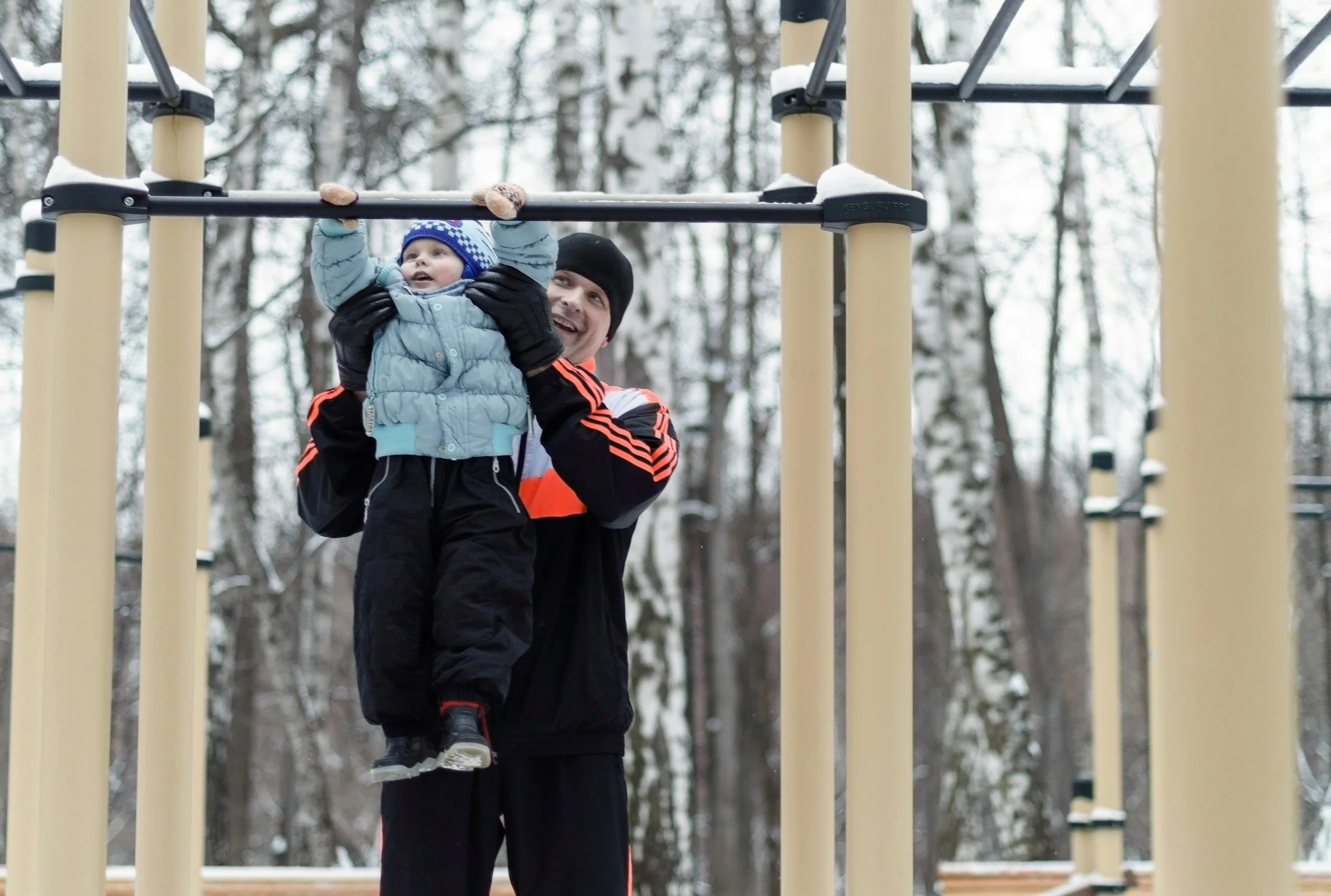
Check out the fitness centers at your local playground, or grab the stroller and bring your little one along for your run. Give them a few chances to run alongside you, and let them hop back in the stroller before they burn out — keep it fun!
Take a walk
So simple, so easy, and so nice. A quick walk around the block, talking about how their day at school went, can be a beautiful way to bond with your kid and get some fresh air.
Family Traditions
Ask your kids what new family traditions they want to start! Talk about traditions you already practice and where they came from, and work on some ideas for new ones. These can be for any holiday, not associated with a holiday, or even a completely new holiday! Talk about what it will be like in a few generations to have their grandkids carrying on this tradition, and what it might look like in the future. This is a great way to show kids how they can impact the family, and that they are an important part of something bigger.
DIY Home Improvement Projects
Helping out around the house makes kids feel like an important part of the team, and a DIY project is a great opportunity to teach a valuable skill. You can also let them be a part of the decision making process (within reason). Bring them to the hardware store to pick out the paint, lumber, and tools. Take pictures of the process and add them to your photo album!