
How to Handle Daylight Saving Time and Time Zone Changes With Toddlers Like A Pro
Daylight Saving Time (DST) brings us all the stress of jet lag, but without the palm trees and free time of a vacation. When the time on the clock is no longer aligned with our circadian rhythms, our body gets confused and sleep is disrupted. There are a few things we can do to support healthy sleep during these changes, whether they are caused by a gorgeous beach vacation or your standard DST clock change. If you’re traveling, pair these ideas with my post on how to travel with toddlers for a great time! If you’re preparing for DST, just know I’m right there with ya. We can do this!

Shifting Bedtime Earlier: Traveling East or Springing Forward
To shift bedtime earlier, exposure to bright light during your original time zone’s early morning will help bring your circadian rhythms where you want them to be. It’s best to do this by playing outside or going for a walk. Even on a cloudy day, the indirect sun exposure will be more powerful than artificial indoor lighting. Make sure some skin is poking out if you’re all bundled up! If you are flying from New York to London, you would send the kids outside at 6 am EST New York time, which is 11 am BST London time.
Shifting Bedtime Later: Traveling West or Falling Back
If bedtime needs to be moved later, try to get some late afternoon or early evening sunlight on your skin. For a trip from New York to San Francisco, you’ll want to get out to the playground at 6 pm EST, which is 3 pm PST.
For Daylight Saving Time, it can be difficult to get natural light later in the day. It’s cold, sunset is so early, and there’s so much to do! Bundle up and do your best.
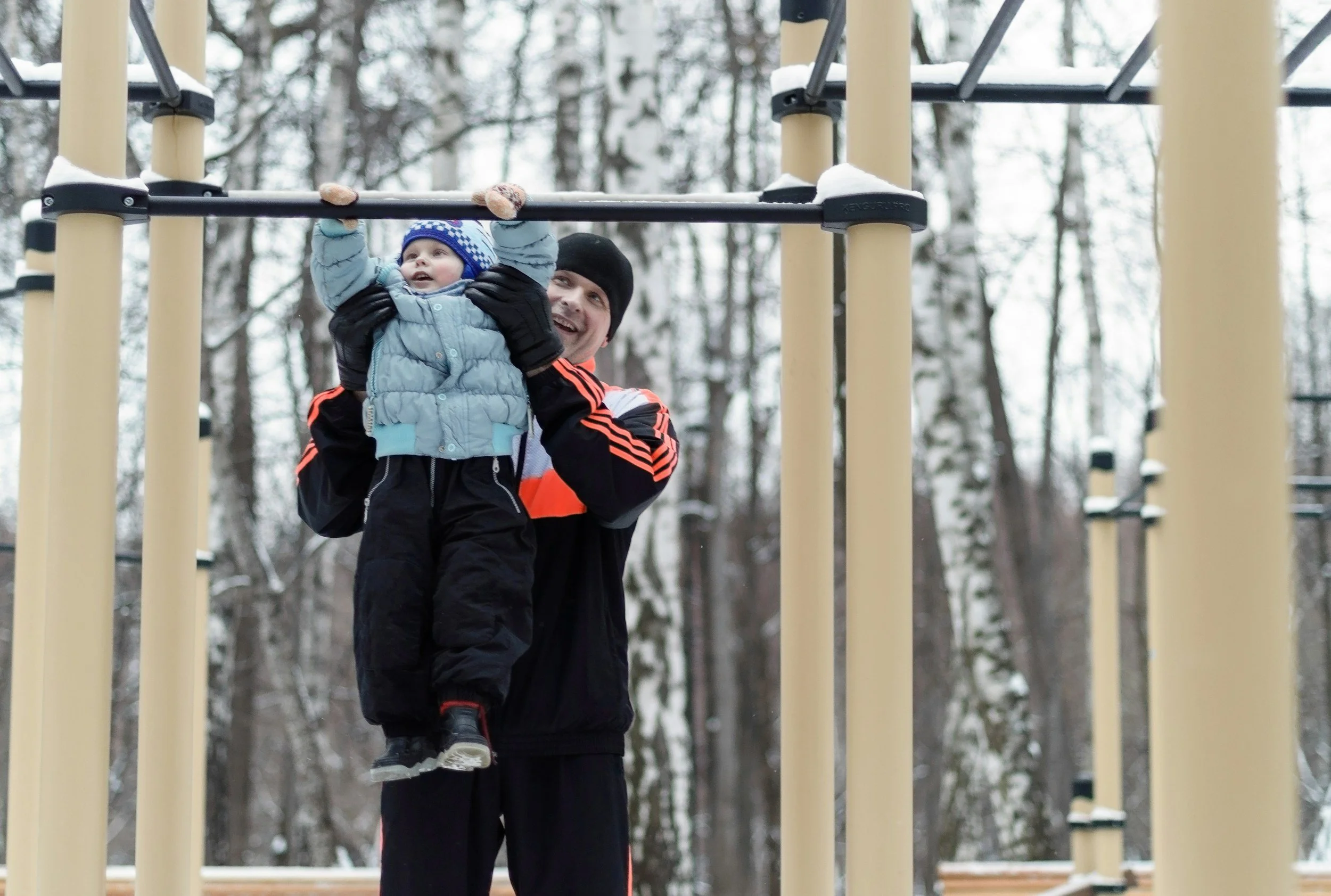
No bad weather, just bad outfits — dress appropriately for the conditions and you can have a great time!
Honestly, time zones confuse me. I always mix up the math when I am traveling. Sometimes all we can do is go with the flow and figure it out later!